

Condensation isn’t always solved by opening a window
Watch our short video to understand what’s behind condensation, then download the free guide for practical advice you can keep and share.
Reduce moisture with simple changes to everyday habits, heating and ventilation.
Understand the causes, including cold surfaces and possible building defects.
Know when to get specialist help if condensation keeps coming back.
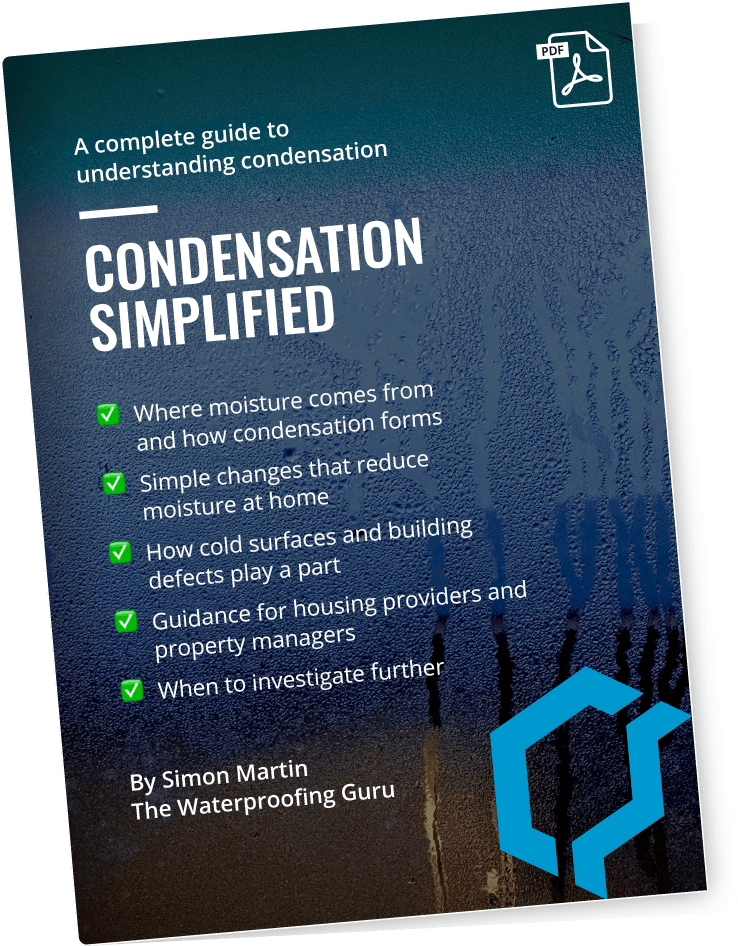
Condensation and mould advice: free guide and video
Condensation is about understanding, not blame.
People living with condensation are often told to open a window, then left wondering why the problem keeps coming back. This video explains how cooking, washing and everyday living add moisture to a home, why it settles on the coldest surfaces and why ventilation is only part of the answer. It also looks at how leaks and building defects can make condensation worse, or be mistaken for it.

Damp diagnosis and water ingress specialists
Still UNSURE what’s causing the problem?
Everyday moisture is only part of the picture. If you suspect a leak or building defect, or the problem continues despite changes to moisture and ventilation, further investigation may be needed. Crownstone specialises in damp diagnosis, water ingress investigation, waterproofing and building pathology. We can help you understand what is happening and discuss the appropriate next step.
Advice that puts people before property
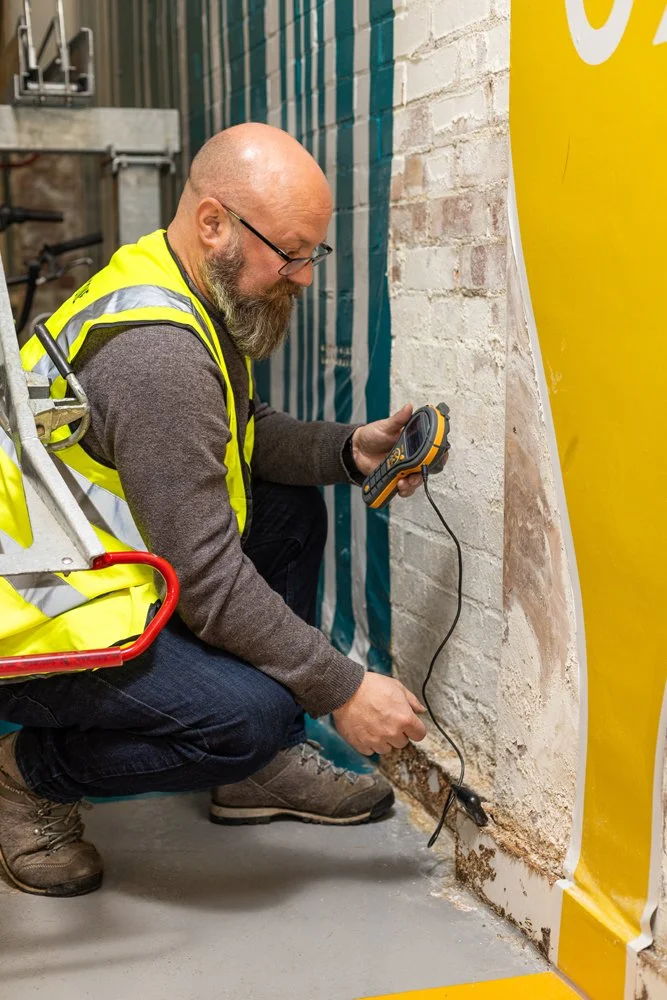
Simon Martin (BSc MCIOB CSSW CSRT MFPWS) is a chartered building professional and certified surveyor in structural waterproofing and remedial treatment, with over 20 years' experience across construction, surveying, basements and property design.
Known as The Waterproofing Guru, he leads Crownstone Group, which takes an evidence-based approach to finding the cause of water problems, stopping them at source and preventing further damage. He created this guide because too many people are told to "just open a window" without anyone first finding out why the mould is there. Crownstone's People Before Property approach puts the people living with building problems first.
★★★★★
5 Star rated on Google
Condensation and mould FAQs
-
Opening a window can remove some moisture from the air, but it doesn't tell you where the water is coming from. If the moisture comes from everyday living, timing matters: the air needs changing while the moisture is still in the air, not after it has settled on a cold surface. If the building is letting water in, ventilation alone won't fix the source.
-
Water on the inside of windows is usually the first sign. Others include wallpaper lifting or walls looking darker, rooms feeling cold and clammy, and a musty smell from soft furnishings or building materials.
-
Condensation is one form of damp. It happens when moist air meets a surface cold enough to turn the vapour back into water. The moisture might come from everyday living, or from a defect such as a leak or failed plumbing. The guide explains how to tell which.
-
Mould spores are naturally present in the air. They grow when they have a regular supply of water, so persistent condensation on cold surfaces gives mould the conditions it needs.
-
If the moisture is coming from the building itself, through a leak, failed plumbing or another defect, changes at home won't fix it. Finding the source isn't always straightforward, and that's where someone who understands buildings and how water behaves can help.